CASE STUDY
The Cool Bus
ENGAGEMENT OVERVIEW
Our partnership with Cool Bus began with a clear objective: transform one of Windsor’s most iconic party experiences into a structured, high-converting digital system.
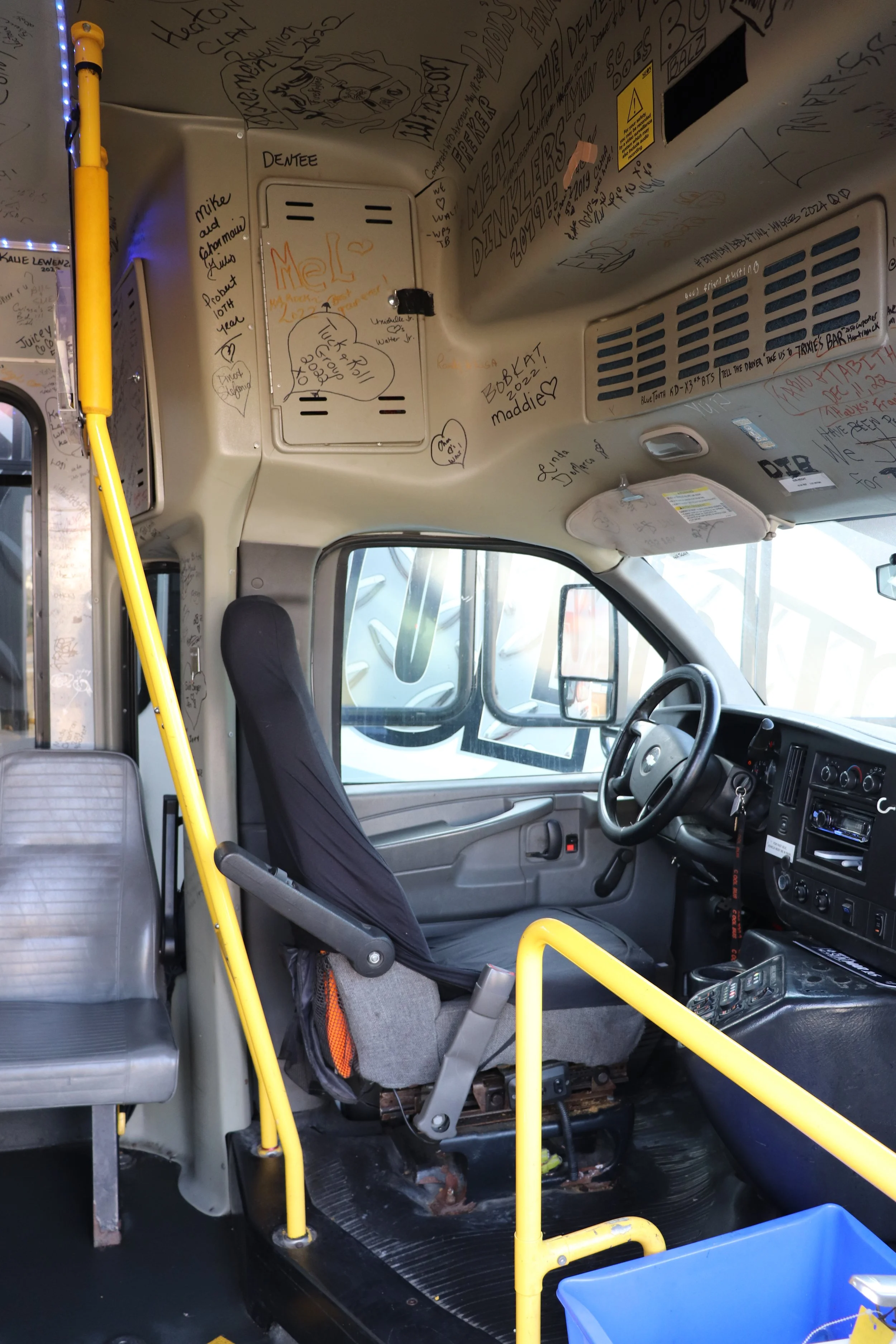
Walter has been running Cool Bus since 2006. The painted school bus turned party bus, complete with graffiti walls, stripper poles, cross-border trips, winery tours, and game-day runs, had already built cultural recognition. In Windsor, the brand was known. Demand was not the issue. Process was.
Bookings were happening through scattered messages and manual coordination because the existing website lacked functionality. The opportunity was not to increase awareness, but to convert existing demand into a seamless, scalable booking engine.
We approached the engagement holistically. Website redesign, scheduling automation, communication systems, and professional photography were aligned under one structured conversion framework.
Rather than relying on back-and-forth messaging, we built infrastructure designed to remove friction. The result was a bold, functional digital presence that matched the personality of the bus while making booking fast, intuitive, and reliable.
-
The website became the primary point of conversion, but it was executed with structure rather than novelty. Cool Bus already had recognition in Windsor and demand was consistent, but the digital experience did not support the volume of interest. Booking was happening through scattered messages, creating friction for customers and unnecessary workload for Walter.
We rebuilt the website on Squarespace as a functional booking hub designed to guide users quickly from curiosity to action. Pages were organized for clarity, with direct calls to book, simple service explanations, and a flow that reduced browsing fatigue. The experience was designed to mirror the energy of the bus while keeping the customer journey clean, fast, and intuitive.
-
Operations became the bottleneck, so the system became the priority. We integrated Acuity Scheduling to replace manual coordination and built an automated workflow that centralized bookings into a reliable process. Instead of relying on back-and-forth DMs, customers could now select a date, submit details, and confirm their booking through one structured pathway.
Text notifications and Google email integration ensured Walter could see and respond to bookings instantly without chasing messages across platforms. The goal was not just convenience. It was consistency. The business moved from reactive scheduling to an organized system built to capture demand without drop-off.
-
The customer journey was redesigned to remove hesitation and reduce time-to-book. Previously, interest often stalled at the inquiry stage because customers had to message, wait, and coordinate manually. We structured the site experience to answer questions early, clarify the booking process, and create clear next steps at every touchpoint.
Service information, routing options, and booking direction were positioned intentionally so customers did not need to search for what to do next. The booking call-to-action was treated as the primary conversion point, not an afterthought. This shift increased follow-through because the path to action became obvious, immediate, and low friction.
-
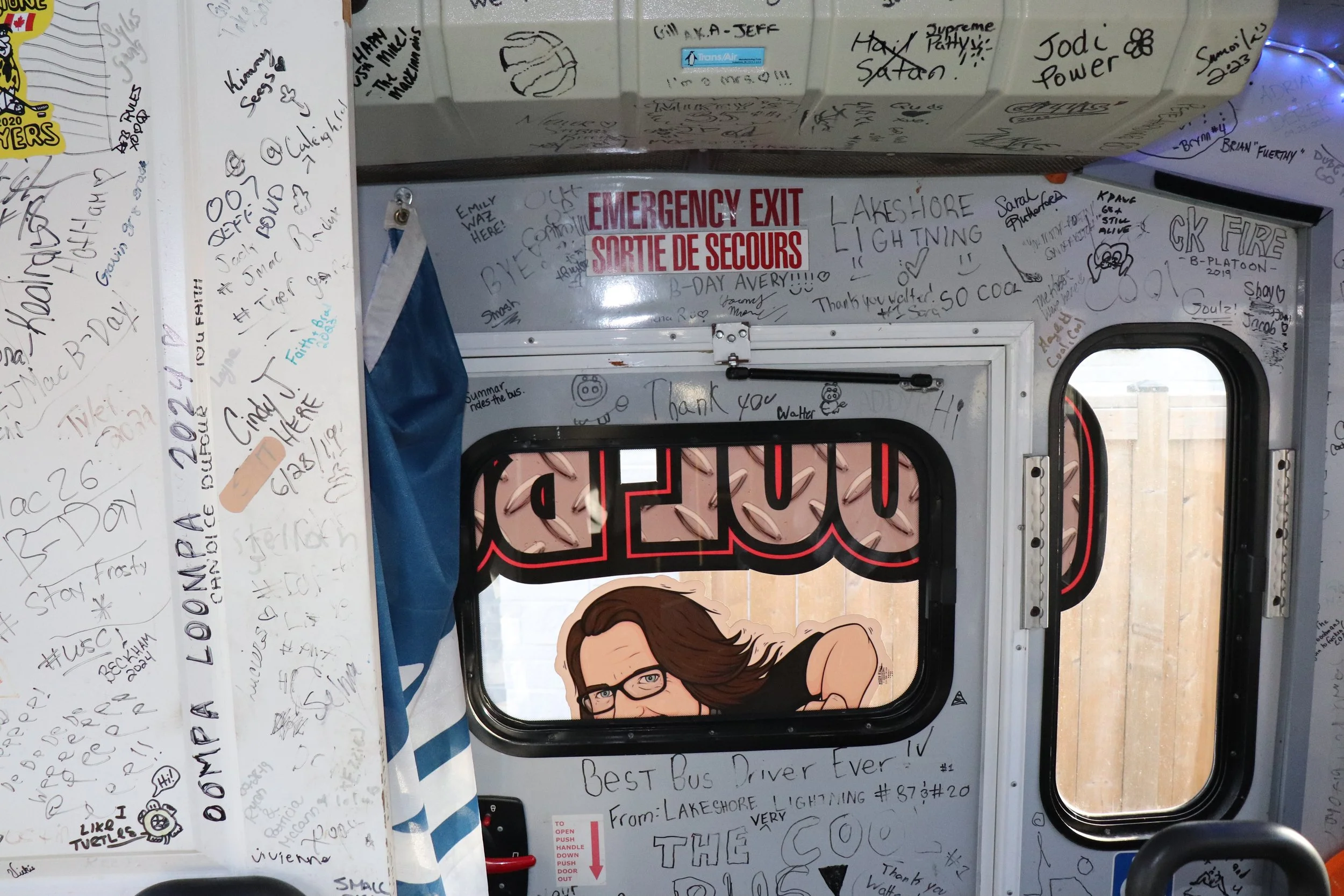
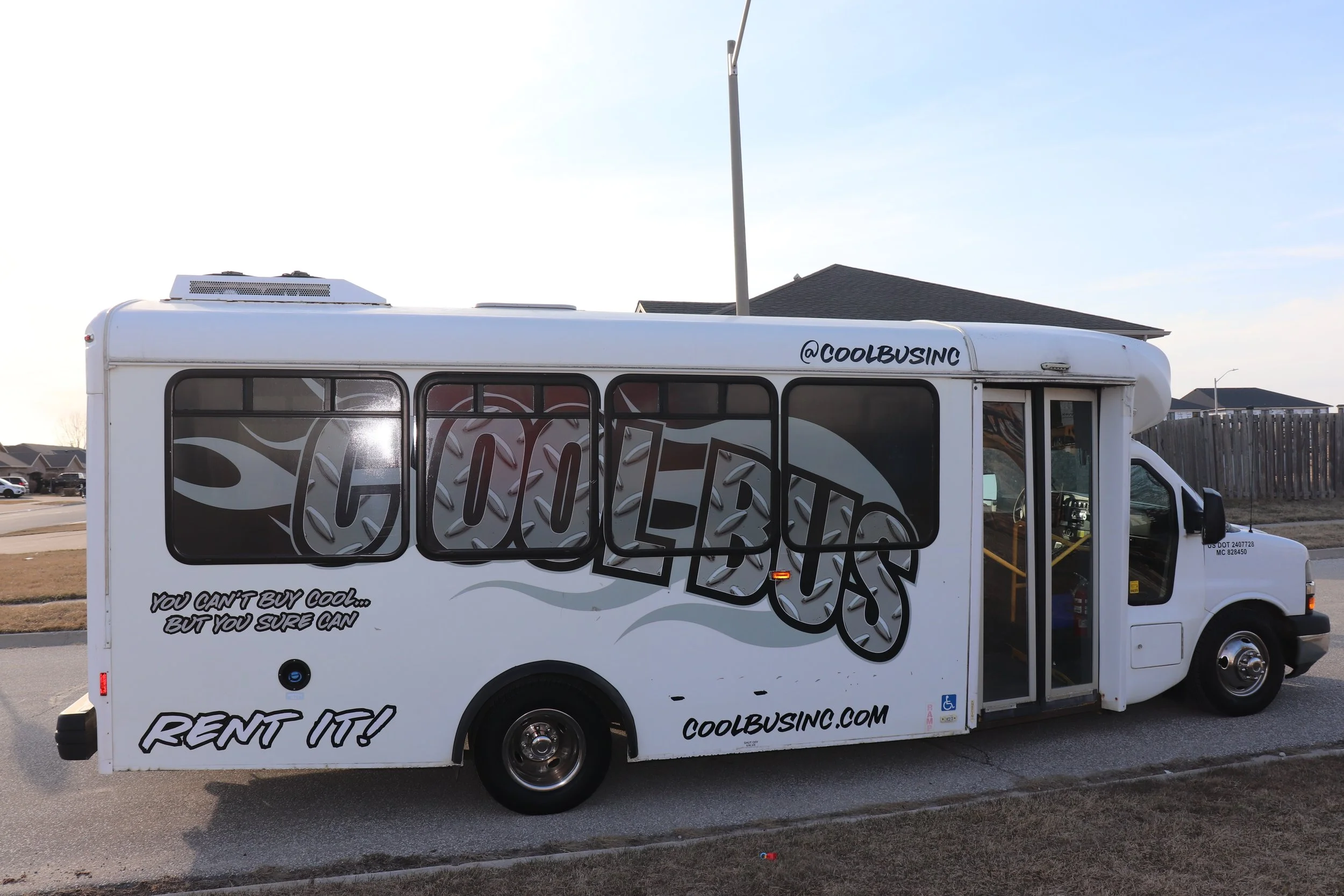
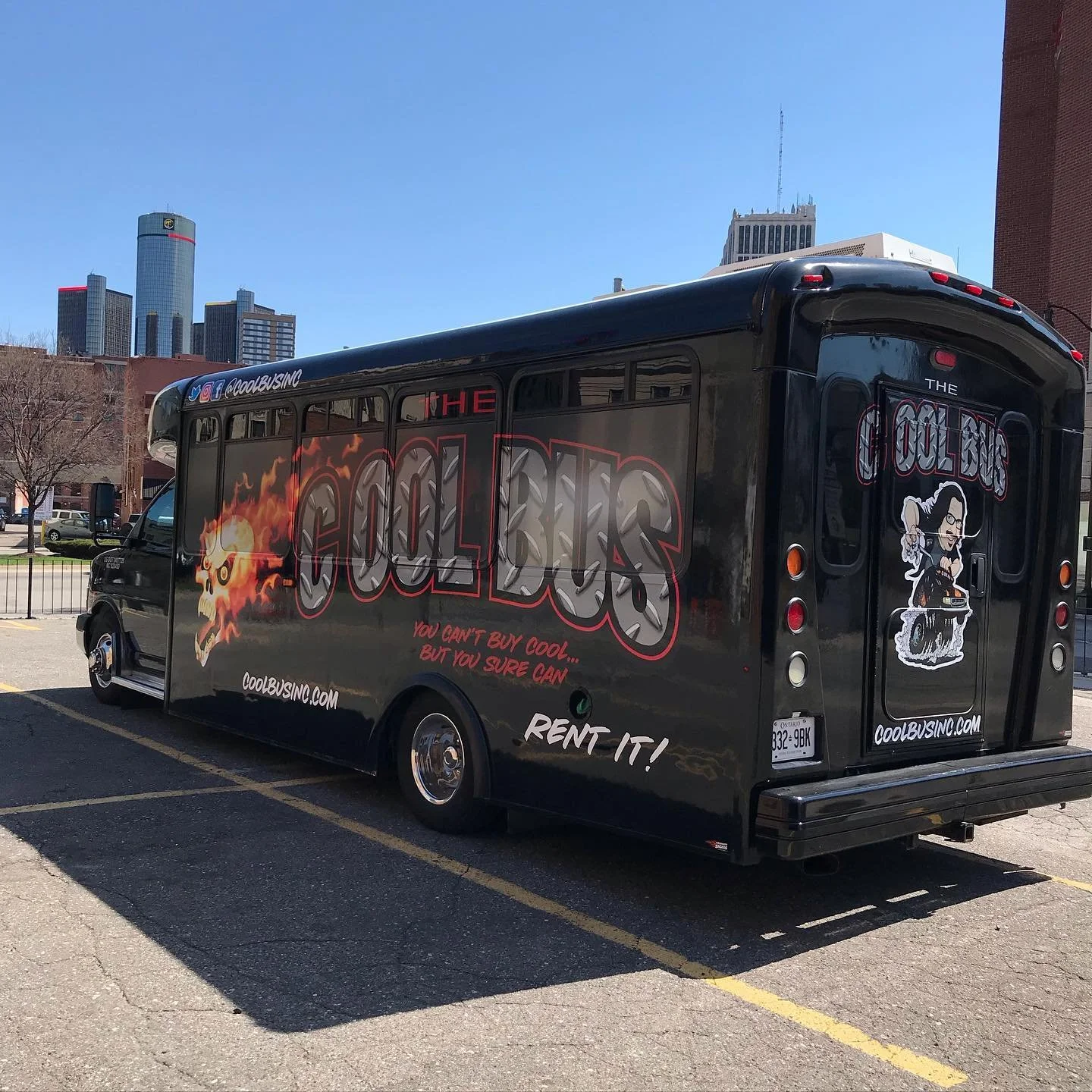
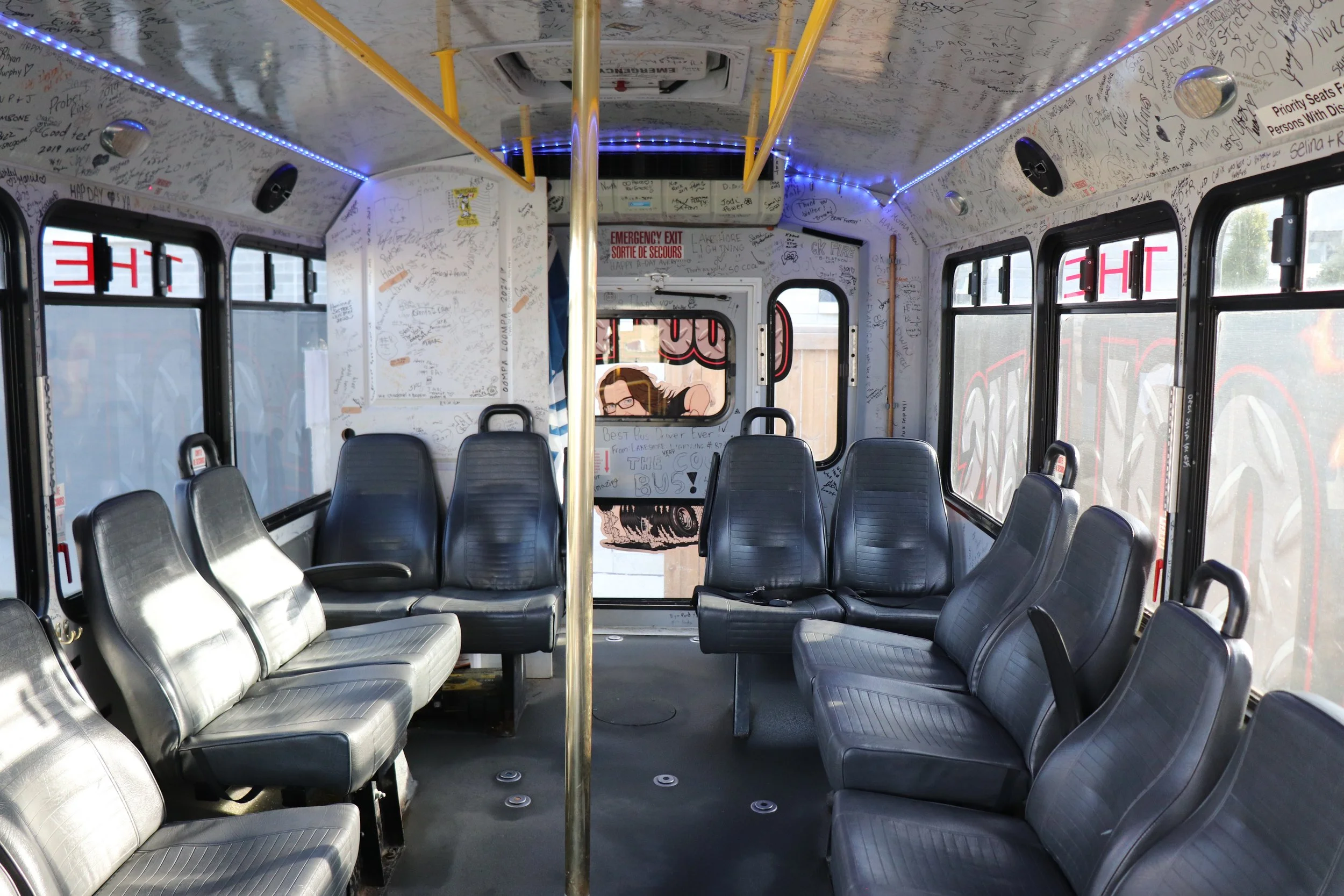
The bus is the product, so the visuals needed to carry the experience. We captured photography of the exterior and interior to document what makes Cool Bus iconic, including the graffiti walls you can write on, the party setup, and the atmosphere that people recognize instantly once they step inside.
These images became conversion assets, not just decoration. They were placed strategically throughout the website to build trust, set expectations, and communicate the experience before a customer even booked. Instead of relying on inconsistent phone photos, the brand now presents the bus with clarity and professionalism while staying true to its personality.
-
Social media became the primary channel for communicating the new booking process, but it was executed with clarity rather than noise. We structured launch messaging around a simple shift, making it easier than ever to book the bus. Content highlighted the new website, reinforced the improved booking flow, and directed audiences into one consistent conversion pathway.
This rollout was designed to modernize the way customers interacted with the brand. The goal was not to create demand. It was to capture it. By aligning social messaging with the new booking infrastructure, the brand created a smoother transition from interest to confirmed bookings.
THE IMPACT
The impact of this engagement is reflected in operational clarity and measurable booking growth.
Cool Bus transitioned from a message-based booking model to a structured scheduling system. Customers can now book quickly, receive automated confirmations, and complete inquiries without friction.
Response times decreased. Administrative workload reduced. Booking flow became predictable rather than reactive.
Most importantly, bookings increased because the barrier to action was removed. The demand had always been there. The system simply needed to catch up.
Cool Bus no longer relies on scattered messages or manual coordination. It now operates with clarity, automation, and a conversion-ready digital foundation built to support continued growth.